Indigenous Education
Learning Initiatives
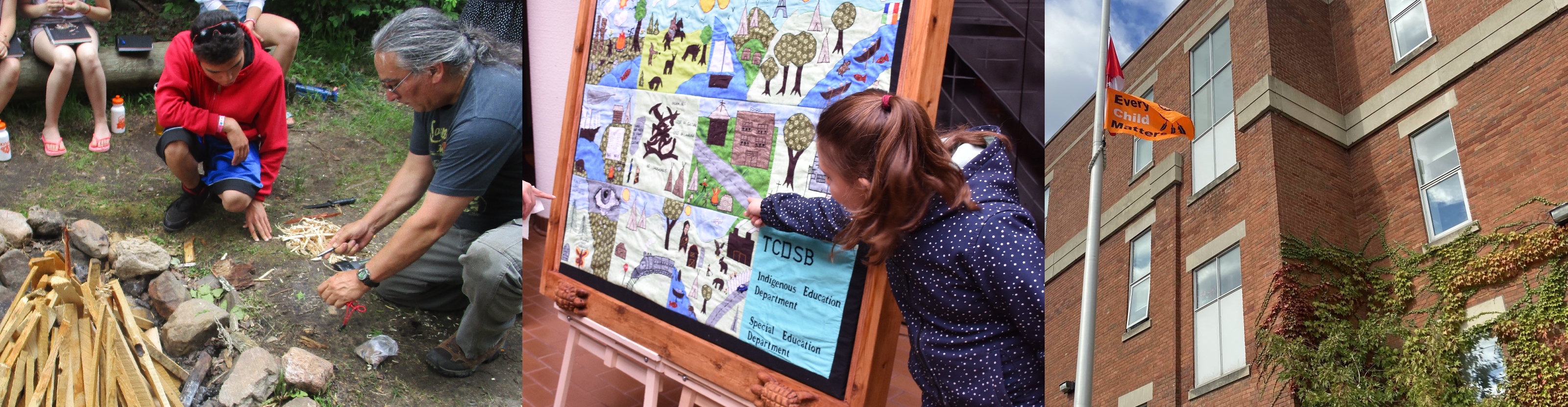
At the Toronto Catholic District School Board (TCDSB), Indigenous learning happens on the land, in elementary classrooms, and across secondary programming. Our schools also come together throughout the year to honour important days of Indigenous significance, including Orange Shirt Day on September 30, Treaties Recognition Week, National Indigenous Veterans Day, MMIWG2S+, and National Indigenous History Month.
ReconciliAction Indigenous Learning
Every TCDSB school can access funding through the Indigenous Department to bring Indigenous learning to life in their schools. This fund supports guest speakers, Elders and Knowledge Keepers, hands on learning experiences, and student led reconciliation projects, helping every school walk the path of truth and reconciliation in a way that fits their own community.
Land-Based Initiatives
Pabaamashi Summer Camp: In July, we invite Indigenous students to a weeklong land-based experience with Elder’s Opening and Closing prayers, drum making, tipi building, fire and water teachings led by Indigenous guests. We also celebrate the week with a Feast and songs.
Cultural Connections to the Land: A one-day teaching with tipi, fire, water, and Mother Earth teachings. Students step outside the classroom to learn directly from Elders, building a felt connection to the land rather than reading about it.
Land-Based Math Cultural Days: Lacrosse, hoop stick making, and land-based math activities. Students count, pattern, and measure using natural materials, discovering how Indigenous ways of knowing and math expectations meet outdoors.
Extended Day Land-Based Learning: A full day of Indigenous led teachings including smudging, tipi building, seeding, and campfire reflection. Students disconnect from technology and spend the day building relationships with the land, each other, and Indigenous ways of knowing.
Professional Development on the Land: Teacher PD pairing Indigenous led teachings with practical classroom application. Teachers leave the classroom to learn directly from Elders, gaining tools and confidence they can bring straight back to their students.
Land-Based Literature Study: Co-teaching Indigenous texts alongside themes of reciprocity and land acknowledgement. Students connect literature to lived experience, exploring big ideas like sustainability and relationship to land through discussion and story.
Elementary Programs
Agiindaasodaa Indigenous Storytelling: Library based sharing circles and a book of the month club featuring First Nations, Métis, and Inuit authors. Students explore identity, community, and resilience through stories shared by Library Techs across dozens of school libraries.
Beading and Math Initiative: Traditional beading practices teaching symmetry, sequencing, and coding. Students see math as a living part of culture, discovering patterns and structure through a hands-on craft passed down through generations.
Drumming and Math Initiative: Drum making connecting rhythm, fractions, and patterns. Students build their own drums while exploring measurement and geometry, learning math through sound, craft, and teaching.
Elder and Knowledge Keeper Workshops: Sharing Grandfather Teachings, Creation story, treaties, cultural workshops, and Indigenous ways of knowing through virtual and in class sessions. Students connect directly with Elders and Knowledge Keepers, building relationships that carry forward across the school year.
Truth and Reconciliation Board Game: Sharing circles paired with the board game to explore the Indian Act. Students learn history through story and dialogue, closing each session with an open conversation to process what they've discovered.
Indigenous Games Day: Featuring Haudenosaunee and Anishinaabe traditional games including lacrosse, songs, and dances. Students build teamwork, leadership, and cultural awareness through active, hands-on play.
Secondary Programs
NAC and NBE Programs: NAC refers to Native Studies courses, starting with Expressing Indigenous Cultures in Grade 9 and continuing into First Nations, Inuit, and Métis in Canada in Grade 10, exploring art forms, culture, and history. NBE refers to English Understanding Contemporary First Nations, Métis, and Inuit Voices, Grades 11 and 12 credit courses examining literature and contemporary Indigenous experience. Our department supports these courses directly through co-teaching, curriculum co-planning, teacher focus groups, guest speakers, and funding for program growth, helping teachers build strong, well-resourced classrooms year after year.
Elders in Residence Program: Elders and Knowledge Keepers sharing Creation story, Land Acknowledgement, Indigenous Artist Workshops, and Narrative Sovereignty directly with students. Aligning teachings connected to World Religions curriculum and building advocacy and allyship across the school community.
MMIWG2S+ Honouring and MooseHide Campaign: An annual gathering honouring Missing and Murdered Indigenous Women, Girls, and Two Spirit People, alongside a whole school advocacy assembly with drumming, honour song, and round dance.
Honouring Indigenous Aid During the Irish Famine: A travelling exhibit and interactive presentation bringing Indigenous history and lived experience directly into secondary schools, paired with guided tours and classroom discussion.
Photography on the Land: A student photography project interpreting the Land Acknowledgement through themes of reciprocity and relationships.